
Posada de la Laguna Lodge · Esteros del Iberá

Birding the Iberá Wetlands, starting from our private dock

An all-inclusive lodge on Laguna Iberá — guided excursions, home-cooked meals and 350+ bird species, just metres from the water.

Ask us about availability
4.7
197 reviews
4.8
335 reviews

Rated Excellent by guests from around the world.

Why birders choose the Iberá Wetlands

The Iberá Wetlands cover over 13,000 km² in the northeast of Argentina — one of the largest and best-preserved freshwater wetlands on the continent, and a serious rival to Brazil's Pantanal for any birder planning a South American trip.

Over 350 bird species have been recorded here, from wetland specialists like the Jabiru and Roseate Spoonbill to endangered grassland birds found almost nowhere else — the Strange-tailed Tyrant, the Yellow Cardinal and the Black-and-white Monjita.

But what truly sets Iberá apart is detectability. Unlike dense forest destinations where you hear birds but rarely see them, the open marshes, lagoons and grasslands of Iberá mean you actually see what you came for. You leave with sightings, not just recordings.

The wetlands are also home to Latin America's most ambitious rewilding programme. Species that vanished from the region — Red-and-green Macaws, jaguars, giant anteaters — have been reintroduced by Fundación Rewilding Argentina and are breeding in the wild. For conservation-minded birders, Iberá is not just a destination: it is a place where things are going right.

And unlike the Pantanal, Iberá remains largely undiscovered by international visitors. You will often have the lagoon, the trails and the birds entirely to yourself.

Target species

Twelve of the birds that draw birders to Iberá — from wetland giants seen from the boat to endangered grassland specialists.
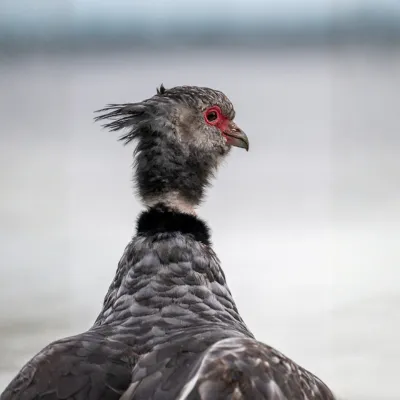
Southern Screamer

Southern Screamer

Chauna torquata

Black-collared Hawk

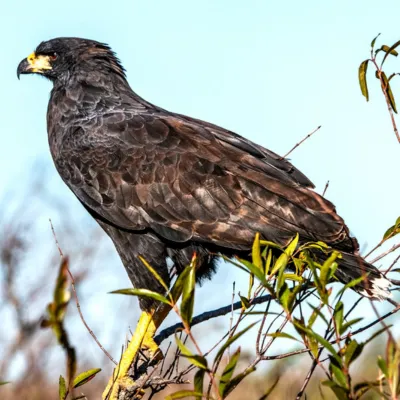
Black-collared Hawk

Busarellus nigricollis
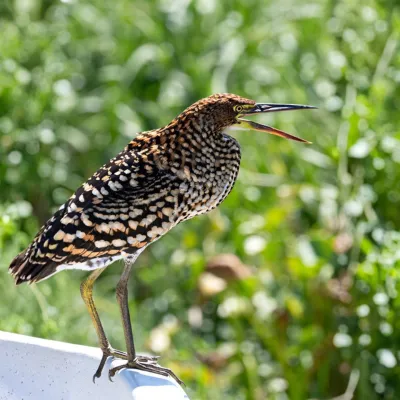
Rufescent Tiger-Heron

Rufescent Tiger-Heron

Tigrisoma lineatum
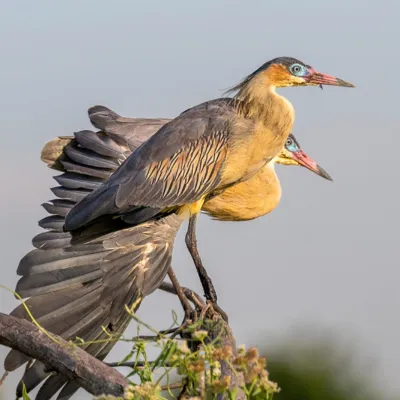
Whistling Heron

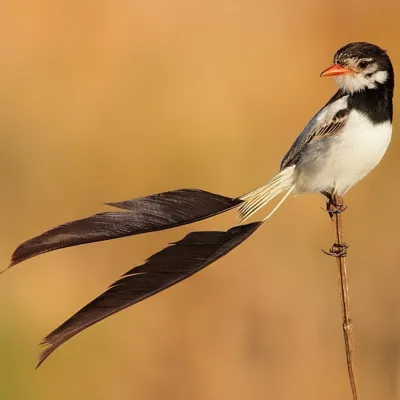
Whistling Heron

Syrigma sibilatrix

Green Kingfisher

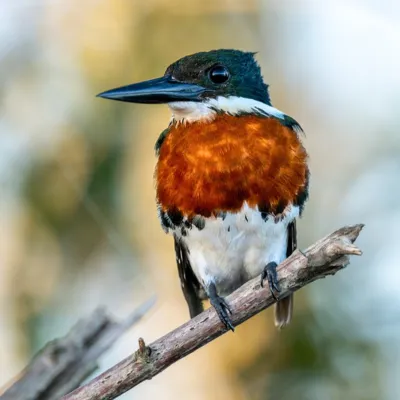
Green Kingfisher

Chloroceryle americana
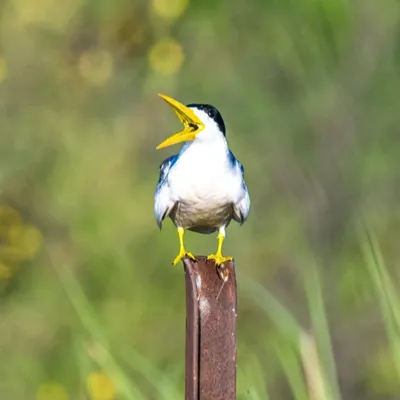
Large-billed Tern

Large-billed Tern

Phaetusa simplex

Great Black Hawk

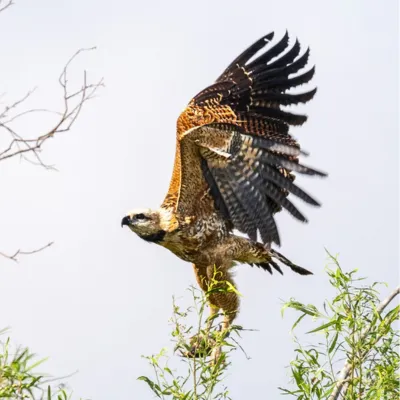
Great Black Hawk

Buteogallus urubitinga
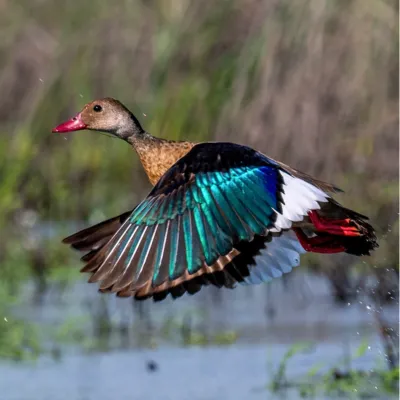
Black-bellied Whistling-Duck

Black-bellied Whistling-Duck

Dendrocygna autumnalis
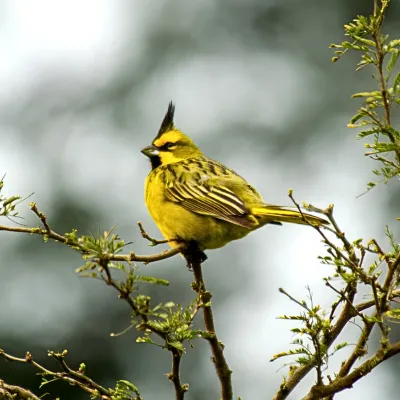
Yellow Cardinal

Yellow Cardinal

Gubernatrix cristata

Strange-tailed Tyrant

Strange-tailed Tyrant

Alectrurus risora
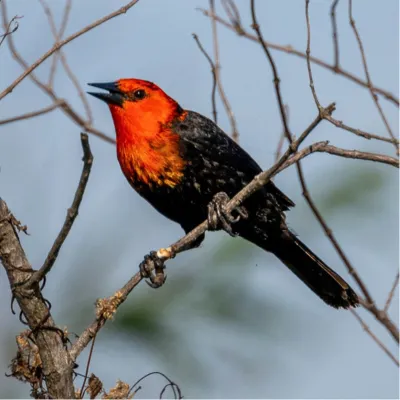
Scarlet-headed Blackbird

Scarlet-headed Blackbird

Amblyramphus holosericeus
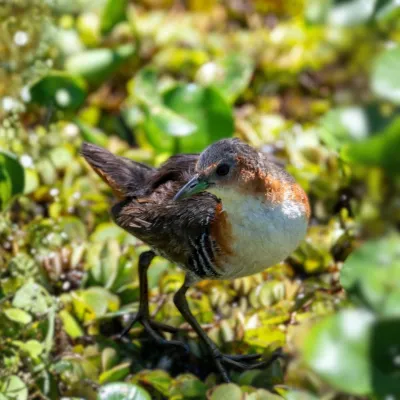
Rufous-sided Crake

Rufous-sided Crake

Laterallus melanophaius
A day of birding at the lodge

Early morning

Boat excursion on Laguna Iberá

Your guide takes you out by boat from the lodge's private dock, straight onto the lagoon. No transfer, no drive — you step out of the garden and onto the water. The morning excursion lasts two to three hours and covers the marshes, floating islands and open water where most wetland species are active. Southern Screamer, Black-collared Hawk and Scarlet-headed Blackbird are regularly seen at close range — often just a few metres from the boat.

Mid-morning

Breakfast and rest

Back at the lodge for a full home-cooked breakfast. The middle of the day is yours: the pool, the garden, the dock for casual birding — or simply the silence.

Afternoon

Second excursion

A different route from the morning: a walking trail through grassland and woodland, or a second boat outing depending on conditions and the season. This is where the harder species tend to appear — Yellow Cardinal in the espinal scrub, Strange-tailed Tyrant in the tall grass.

Evening

Dinner and optional night walk

Dinner at the lodge, cooked fresh with local ingredients. When conditions are right, your guide can take you on a night walk — a chance at Sickle-winged Nightjar and other nocturnal species that most visitors to the region never see.

Exact timing shifts with the seasons — your guide will plan each day around the best light and the birds that are active. There is no fixed schedule, and that is the point.

Everything is included

Your stay at Posada de la Laguna is fully inclusive. There is nothing to arrange, nothing to pay separately, and nothing to worry about once you arrive.

Accommodation

A boutique lodge with only eight rooms, right on the shore of Laguna Iberá.

All meals

Breakfast, lunch and dinner, freshly prepared each day with local ingredients. Dietary needs — vegetarian, coeliac, allergies — are accommodated with advance notice.

Daily guided excursions

Boat trips on the lagoon, walking trails, and night walks when conditions allow. Your guide knows the wetlands, the birds and where to find them.

A private dock on the lagoon

Your excursions leave from the lodge garden. No transfers, no shared departure points.

Posada de la Laguna Lodge

The lodge

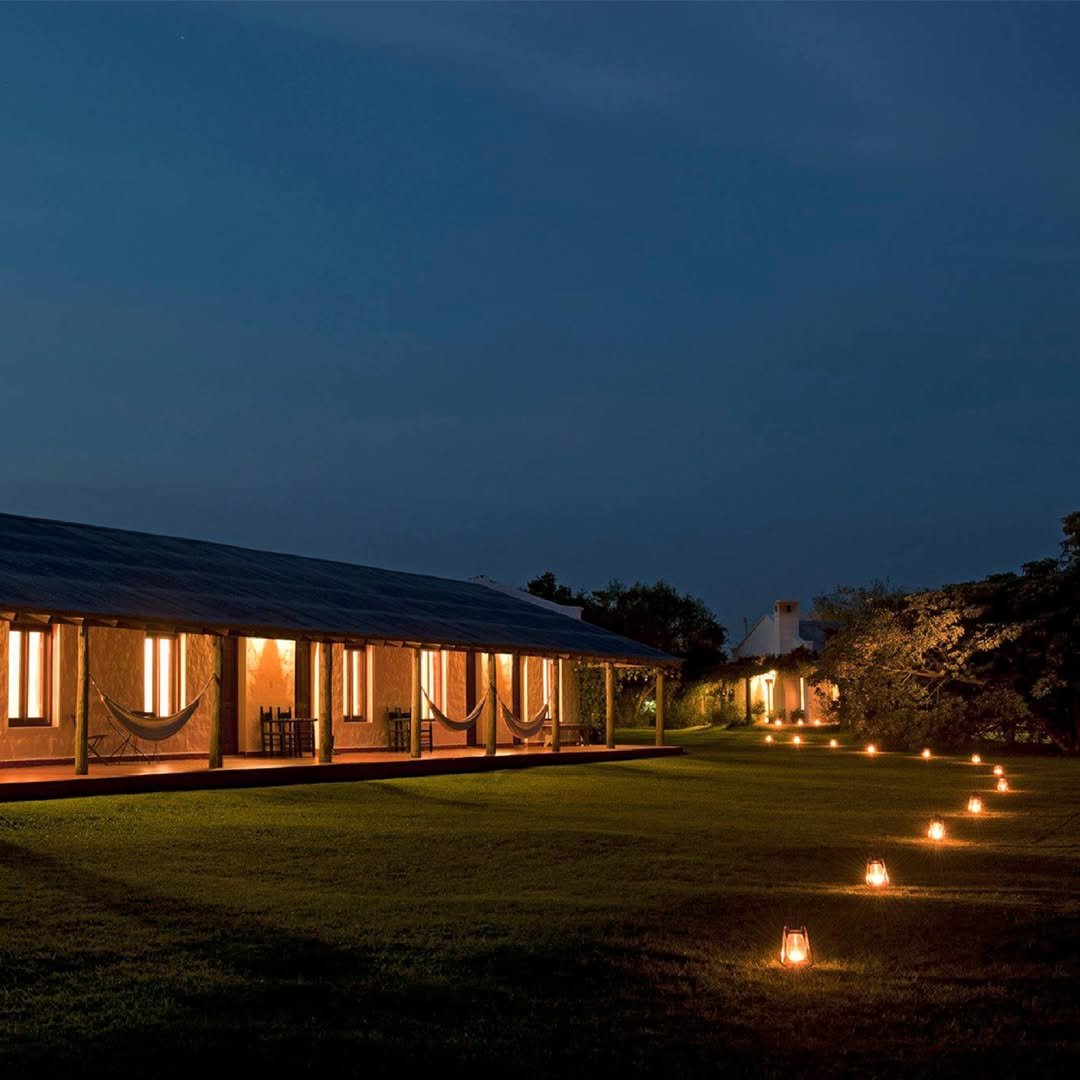
Posada de la Laguna is a boutique lodge with just eight rooms, set in its own gardens on the shore of Laguna Iberá.

Two categories are available — Standard and Superior, the latter with direct views over the water. All rooms have private bathroom, air conditioning and heating.

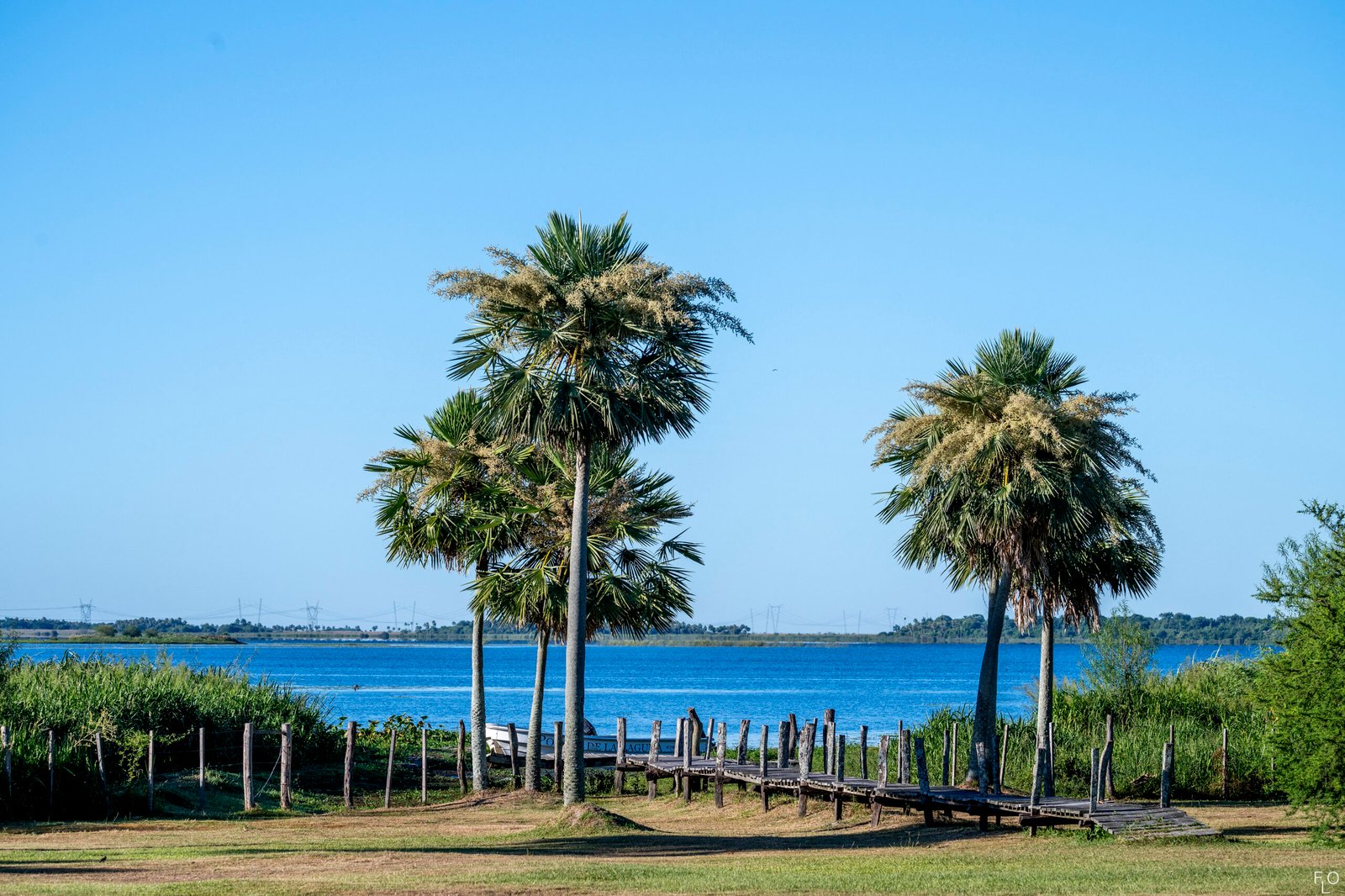
The lodge has its own dock on the lagoon — the starting point for every boat excursion. A swimming pool, open garden and common areas complete a place designed for rest between outings.

Meals are prepared fresh each day by the lodge's own cook, using local ingredients. Breakfast, lunch and dinner are included. Special diets — coeliac, vegetarian, food allergies — are accommodated with advance notice.

With only eight rooms, the lodge guarantees what most wetland destinations cannot: silence, personal attention, and the certainty that you will never share a dining room with forty strangers.

When to visit

Iberá offers birding year-round. The best season depends on what you want to see.

Sep — Nov

Spring

Peak birding. Breeding season — birds are highly active, plumage is at its best. Best window for the Strange-tailed Tyrant's spectacular aerial courtship. Migratory species arriving. 20–30°C, occasional rain.

Dec — Feb

Summer

Maximum biodiversity. The Iberá Seedeater — a species so rare it was only described in 2016 — is present only during these months. Heat up to 40°C.

Mar — May

Autumn

The most comfortable season for visiting. 15–28°C, little rain, dry roads. Migratory species still present. Ideal conditions for photography.

Jun — Aug

Winter

Fewer bird species, but reduced vegetation makes mammals and raptors easier to spot. 10–18°C, fewer visitors, guaranteed availability.

Getting here

Iberá is remote — that is part of what makes it special. Getting there is straightforward, and we will help you arrange every step.

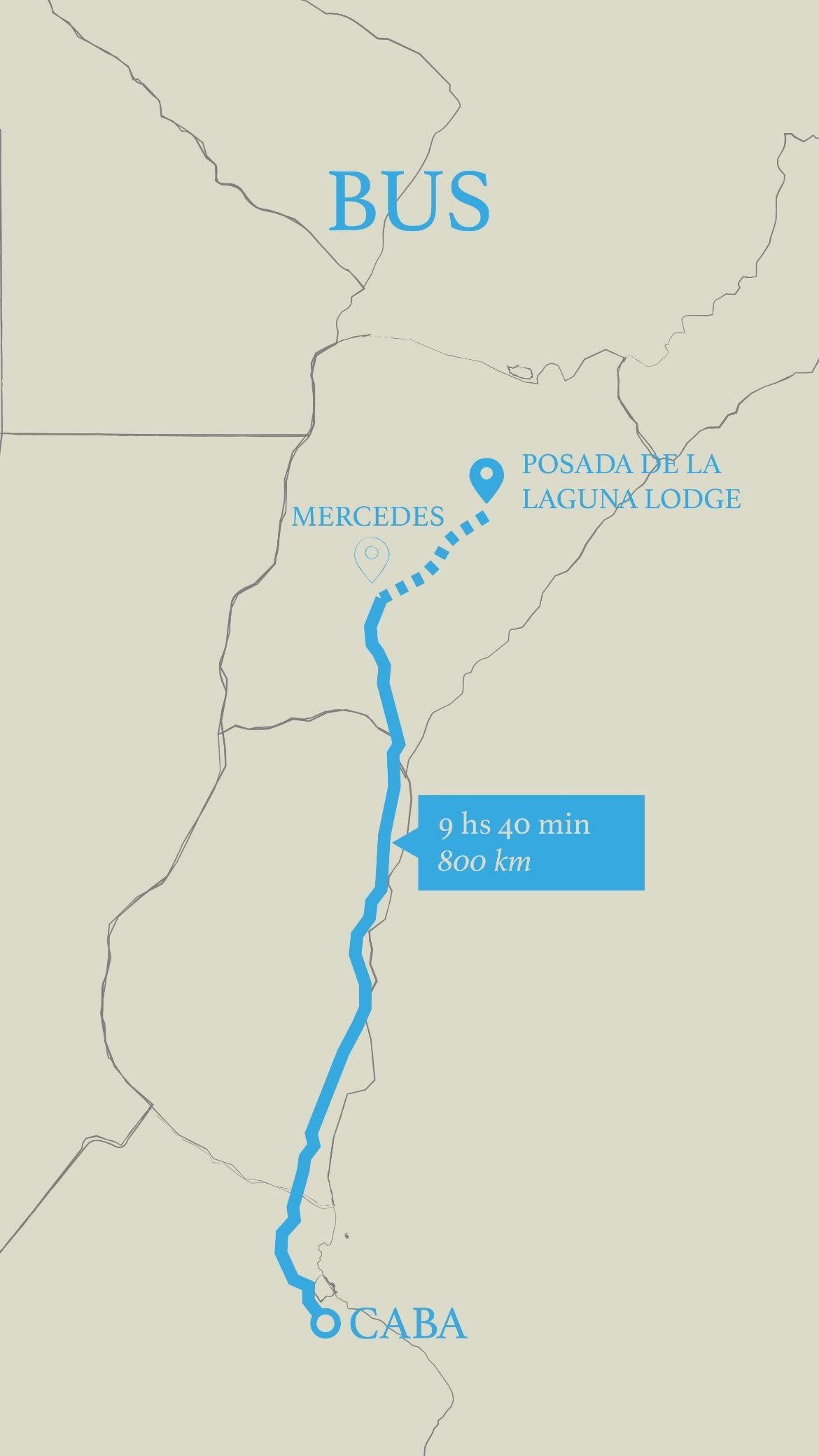
By overnight coach via Mercedes

An overnight sleeper bus from Buenos Aires (Retiro terminal) to the town of Mercedes — approximately 9 to 10 hours. Argentine long-distance coaches offer full-flat beds (cama suite) and are surprisingly comfortable. From Mercedes, a private transfer to the lodge takes 2 to 3 hours along a provincial road. No 4x4 is required.

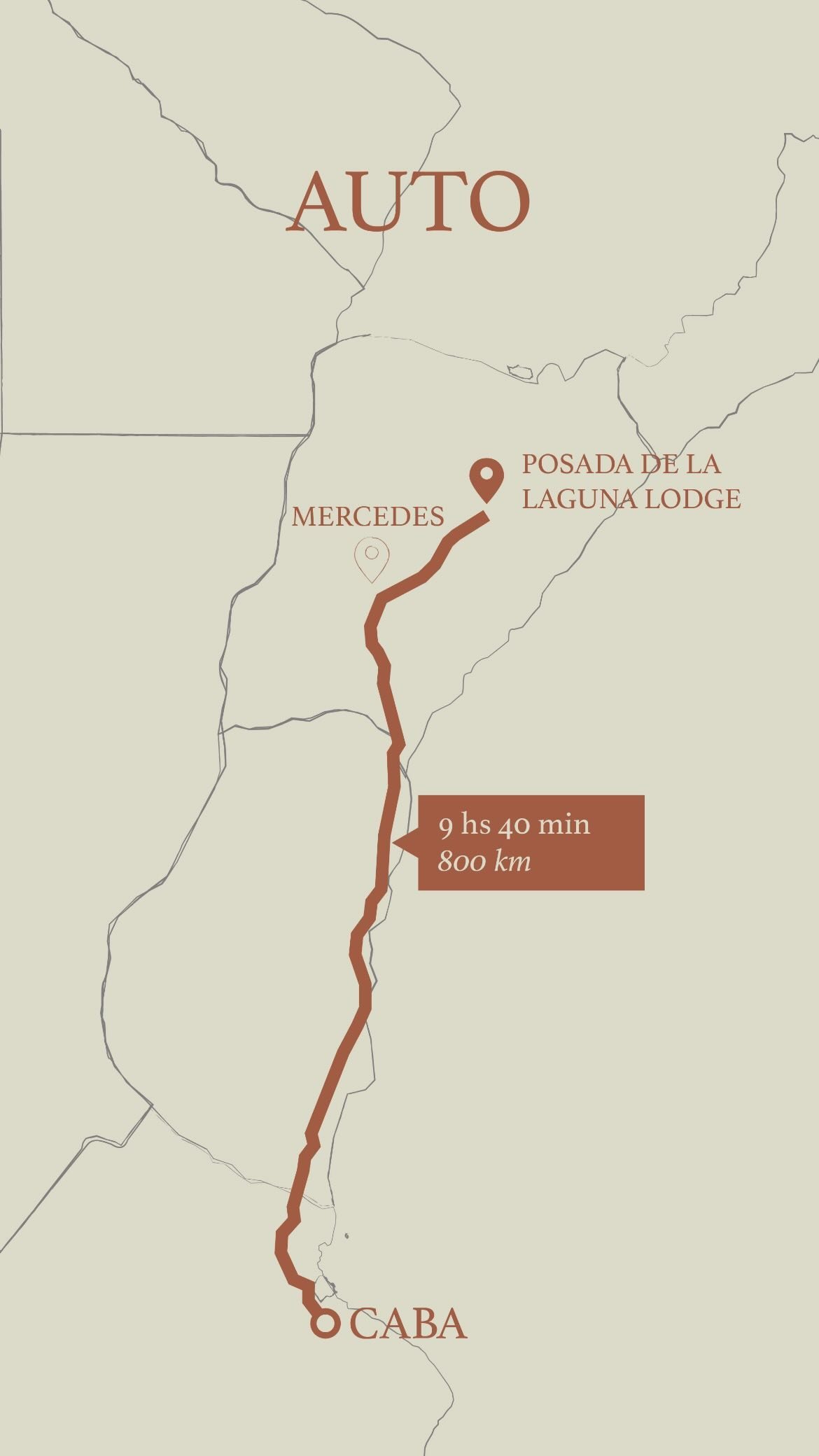
By car

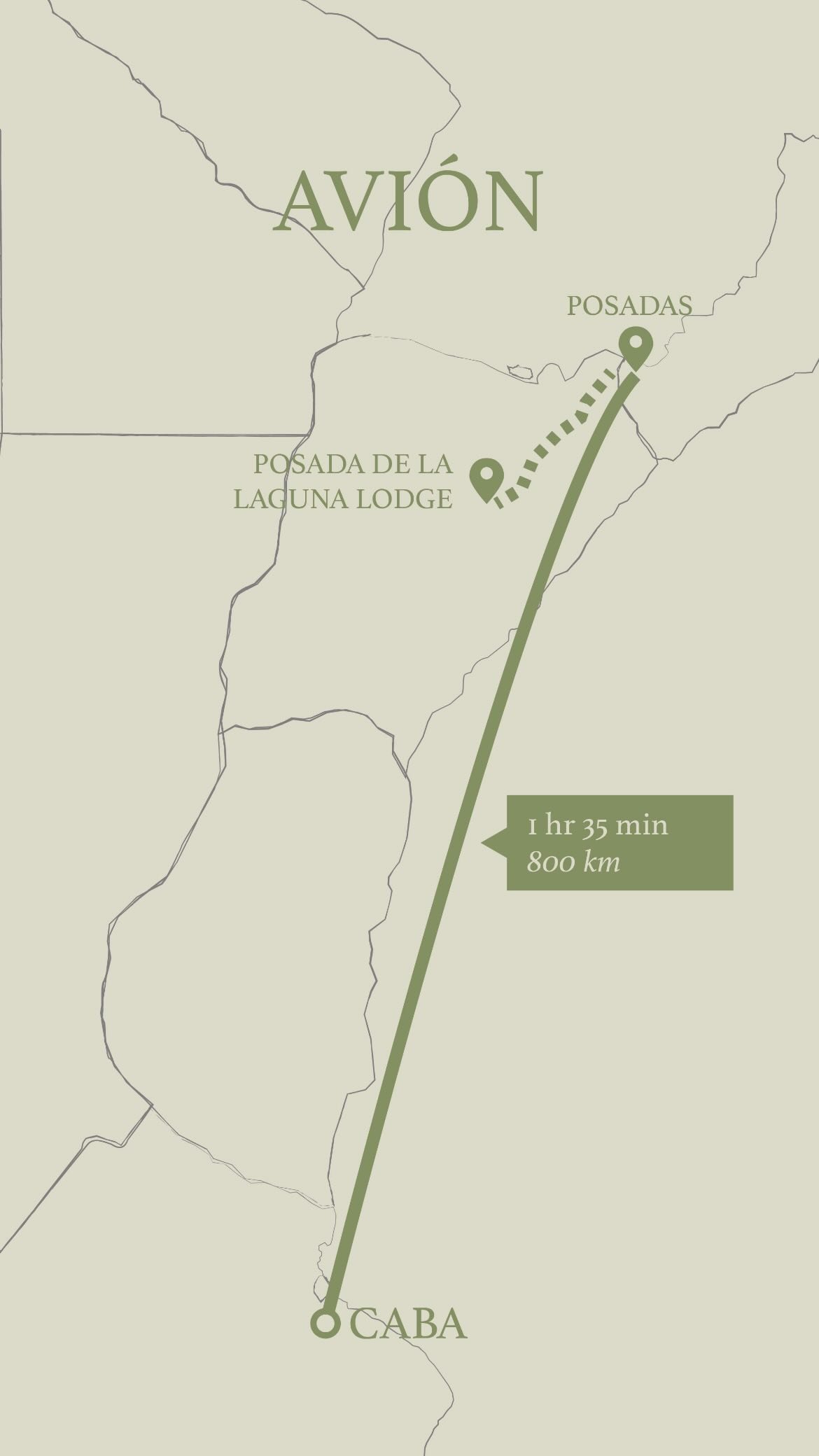
Buenos Aires to Posada de la Laguna: approximately 800 km, around 10 hours. No 4x4 needed. The final stretch is an unpaved road with no petrol stations and no mobile phone signal — plan accordingly.

Combining with Iguazú Falls

Posadas is roughly halfway between Iberá and Puerto Iguazú, making it easy to combine both destinations in one trip. We can help you plan the route.
What our guests say

When planning a bucket-list trip to Argentina, our research identified the Esteros de Iberá as a must-visit. We were not disappointed — if anything, it exceeded our expectations. Our guide treated us to sights and sounds that were explained and interpreted beautifully. The staff were superb, and breakfast, lunch, afternoon tea and dinner were top class. We would highly recommend the Posada de la Laguna, situated right on the glittering water.

★★★★★

We spent three nights to experience the renowned local wildlife. Even in the lodge grounds there were a great range of bird species. We especially liked the guided tours — the morning walk into grasslands to look for the Strange-tailed Tyrant, a rare bird species which our guide easily found. Excellent meals, spotlessly clean, and a very warm welcome.

★★★★★

This was our second visit to one of the best lodges in the Iberá Wetlands. We were warmly welcomed by staff who showed great care and attention throughout our stay. We both enjoy birdwatching and photography, and arrangements were made to meet our interests. We would return tomorrow.

★★★★★

The food was excellent. The excursions exceeded all expectations. We saw more animals than you would expect to see in a zoo — two species of deer, Rhea, Howler Monkeys, capybara, endless species of birds. Our guide knew the names of every species. All of the staff was very attentive.

★★★★★

Frequently asked questions

Not really. Most birding here is done from a boat on the lagoon, where birds are often just a few metres away. A scope is impractical on the water. Binoculars are all you need — bring your own pair.
Our guides are local naturalists who know every bird in the wetlands and where to find them. They communicate in Spanish and use scientific names for species identification. Most international guests find this works well in the field — when the bird is two metres from the boat, language is rarely a barrier.
Iberá is exceptional for bird photography. The close range from the boat, the open landscapes and the excellent light — especially in the early morning — make it one of the best locations in South America for wetland bird photography. No hide or blind is needed.
Yes, the lodge has Starlink satellite internet. Mobile phone signal is limited in the area.
Excursions adapt to the weather. Light rain does not stop a boat trip — and some species are actually more active in overcast conditions. In the case of heavy rain, your guide will adjust the schedule.
Yes. Posadas airport is roughly halfway between the two destinations. Many international visitors do both in one trip. We can help you plan the connection.
We recommend a minimum of three nights to cover the main habitats — lagoon, grassland and woodland. Four or five nights allow a more relaxed pace and better chances with the harder species.
Binoculars, sun protection, insect repellent, a light rain jacket, and comfortable shoes for walking trails. Layers for early mornings, especially in autumn and winter.

Ready to plan your trip?

Contact us on WhatsApp to check availability, ask about seasons and species, or start planning your stay.

Chat with us on WhatsApp

Sitio web creado por Big Head Marketing